





A guest who left a pouch, charger or jacket wants one clear answer. The hotel must connect the message with a physical search, secure record and safe return. A reply is not proof of a find.
Keep the conversation and register connected without confusing their jobs. One person owns the next update while the authorised team controls record and custody.
Start with a report the property team can use
Ask only for useful search details. The NIST Privacy Framework treats data processing and privacy risk as work to manage deliberately. Record property, dates, room reference if appropriate, last place and time, description and one safe contact. Ask for distinguishing details, not a passport, payment card or reusable secret.
The hotel should check its approved policy rather than inventing a universal retention period or return promise. Its property register remains authoritative for whether a matching item was recorded.
The hospitality workflow can keep the enquiry connected to the right property and team.
Keep the enquiry state truthful
Use a small set of states so the guest can understand progress and staff do not turn a hopeful match into a promise.
- 1ReportThe property, dates, last known place and useful item details are recorded.
- 2RegisterThe authorised team checked the property log and relevant locations.
- 3MatchA possible match is kept provisional until ownership is verified.
- 4CustodyThe item identifier, storage location and handovers remain in the approved system.
- 5ReturnThe verified claimant, approved method, responsible person and next checkpoint are clear.
| Enquiry state | What it means | Who owns the next step |
|---|---|---|
| Report received | The hotel has enough information to begin checking | Guest conversation owner |
| Search in progress | The authorised property team is checking locations and the register | Property operations |
| Possible match | A record may match but ownership is not verified | Lost-property custodian |
| Ownership verified | The approved verification process is complete | Authorised hotel team |
| Return arranged | Collection or delivery terms are confirmed | Named return coordinator |
| Closed unfound | The defined checks are complete and no match was confirmed | Guest conversation owner |
Do not use found when housekeeping has only agreed to look. Give a realistic checkpoint. If another shift continues the search, the shift handover guide shows how to transfer the commitment, owner and update time.
Match the report without exposing the item
Pass a minimal search brief to the authorised team, which compares it with the register and secure storage. For a possible match, ask the claimant for a detail not already disclosed. Do not send a revealing photo or list every feature first, because that can enable a false claim.
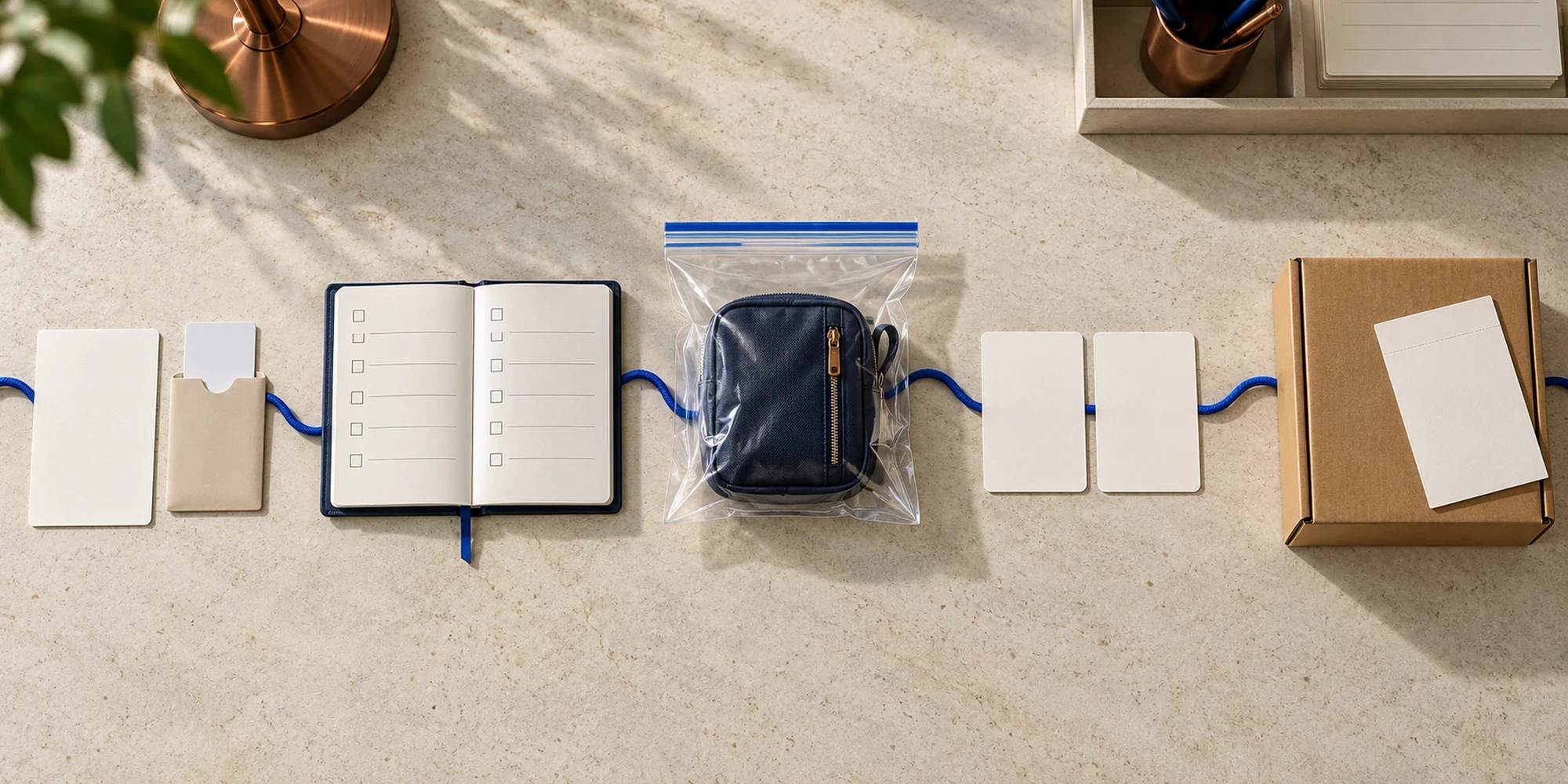
Keep the item identifier, storage location and custody events in the approved property system. A concise customer support case note can preserve the need, verified evidence, accepted owner and next check. It must not become a second property register.
Separate customer updates from custody decisions
Guest services may own the conversation while housekeeping or security owns the search and custody. That is normal until nobody owns the next update or a chat reply silently overrides the property record.
A configured shared inbox can show the owner, assignment and private notes. The guide to hotel private notes separates internal coordination from the guest message. DripTell does not locate, verify, store or ship an item, or update the hotel register, unless a verified integration does that.
Arrange return only after verification
After verification, confirm the approved return option, responsible person, costs if relevant, collection method and next checkpoint. Follow policy for valuables, identity documents, perishables, shipping and escalation. Do not improvise a courier or disclose a storage location.
The UAE official tourist services page lists public emergency-help routes. Follow the hotel's approved local procedure and escalate to the appropriate authority when required. This article does not replace legal advice or hotel policy.
Close the conversation only when the return is completed, the guest has the agreed collection information, or the defined search has ended with a truthful unfound update. The conversation closure guide helps separate a sent reply from a completed outcome.
Review the process with complete cases
Review a complete sample, not only successful returns. Check time to a useful response and promised update, incomplete reports, matches awaiting verification, custody gaps, return delays and cases closed without a final update. These measures expose weak ownership or evidence; they do not prove a message recovered an item.
Frequently Asked Questions
What should a hotel ask when a guest reports a lost item
Ask for the property, stay or visit period, last known location and time, a careful description, distinguishing details and one safe contact method. Use the hotel policy for any additional identity check and avoid collecting unnecessary sensitive documents in chat.
Should a hotel tell the guest an item was found before verification
No. Say there may be a match and explain the verification step. The authorised team should compare details without disclosing the item’s distinctive features first.
Can a shared inbox replace a hotel lost property register
No. It can organise the guest conversation, assignment and internal coordination. The approved hotel register and custody process remain authoritative for the physical item, verification, retention and return.
Want help applying this guide?Ask the DripTell team
From reading to action
Want help applying this to your business?
Share your details. We will read the article you are on and start with a useful answer for your team.
DripTell Editorial
Practical guidance reviewed by the DripTell product and customer workflow team.
See how DripTell checks product claims, uses primary sources and handles corrections.
Editorial and source policy