



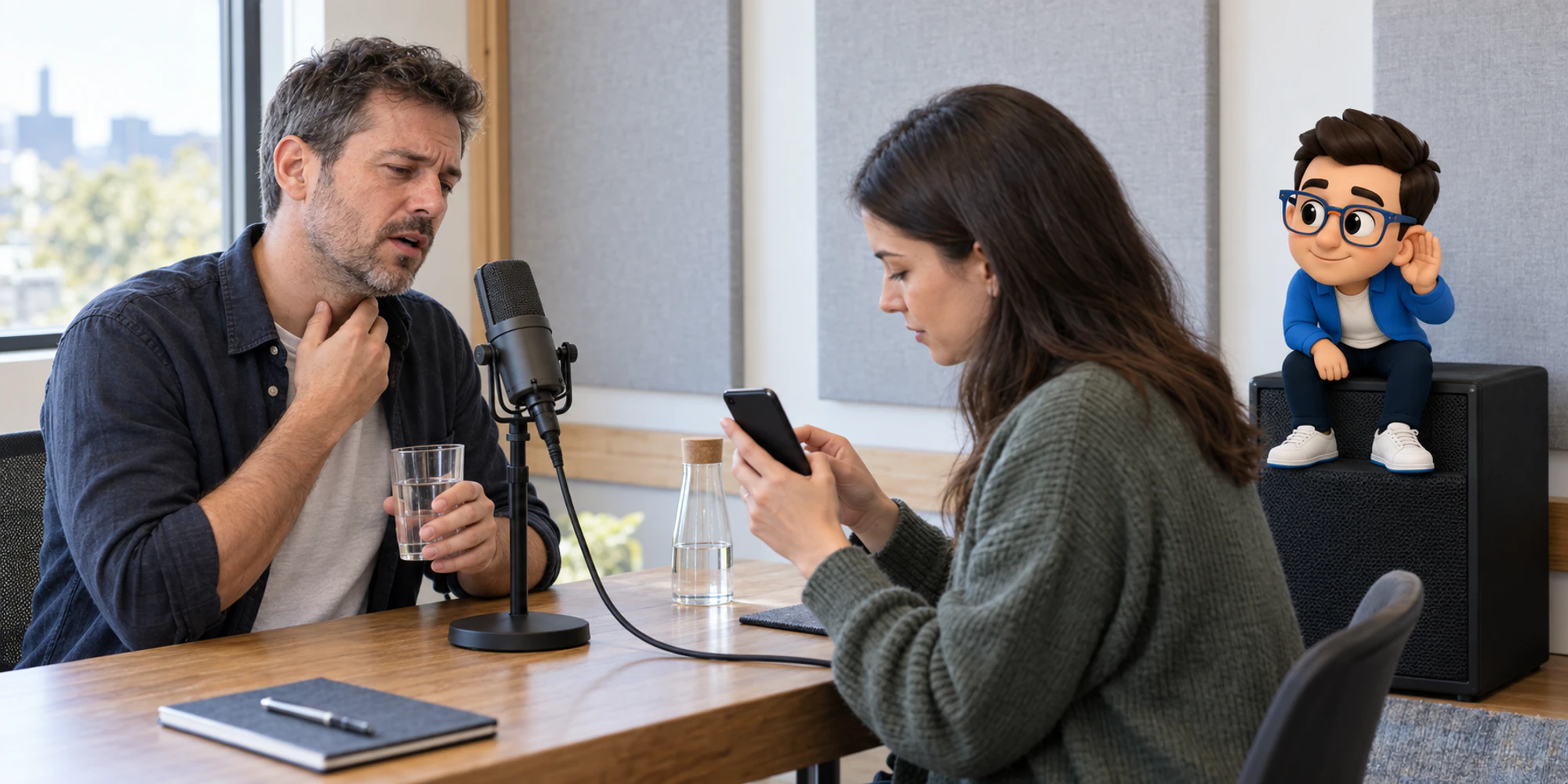
A caller with a cold gets a weak match. Ten minutes later, someone plays a clean recording and gets a confident result. Those calls expose the deployment question. Voice biometrics should go live only when the team knows what the signal may influence, how it fails, and the safe route when it does.
Test voice matching as one risk signal, not identity proof. Define the permitted decision first. Test genuine callers, impostors, replays, synthetic speech, poor audio, accessibility needs, and fallback. Then pilot with a small group while a person owns every disputed result.
Voice matching is a signal and not proof
Microsoft's current Dynamics 365 Contact Center voice biometrics plan describes enrollment and verification in calls with people or AI agents. It also presents voice as part of a multi-factor strategy alongside options such as one-time passwords. The page lists September 2026 for general availability, while warning that planned delivery can change. An administrator still needs to confirm availability for the actual tenant, region, and language.
A product can produce a match score without proving that the speaker may reset a password, change a delivery address, or move money. The score answers a narrower question about similarity to an enrolled voice. The business must decide what evidence the action needs.
Current NIST digital identity guidance goes further for systems within its scope. It prohibits biometric comparison based on voice and does not treat a biometric characteristic as an authenticator by itself. That is not a universal legal ban on every commercial use of voice analysis. It is a serious design warning. A team claiming alignment with that standard cannot quietly treat a voice match as the authentication factor.
Set the decision boundary before the pilot
Start with actions, not model accuracy. List what a caller can do after each result. A voice signal might reduce repeated questions during a low-risk status enquiry. It should not silently authorize an irreversible or sensitive action.
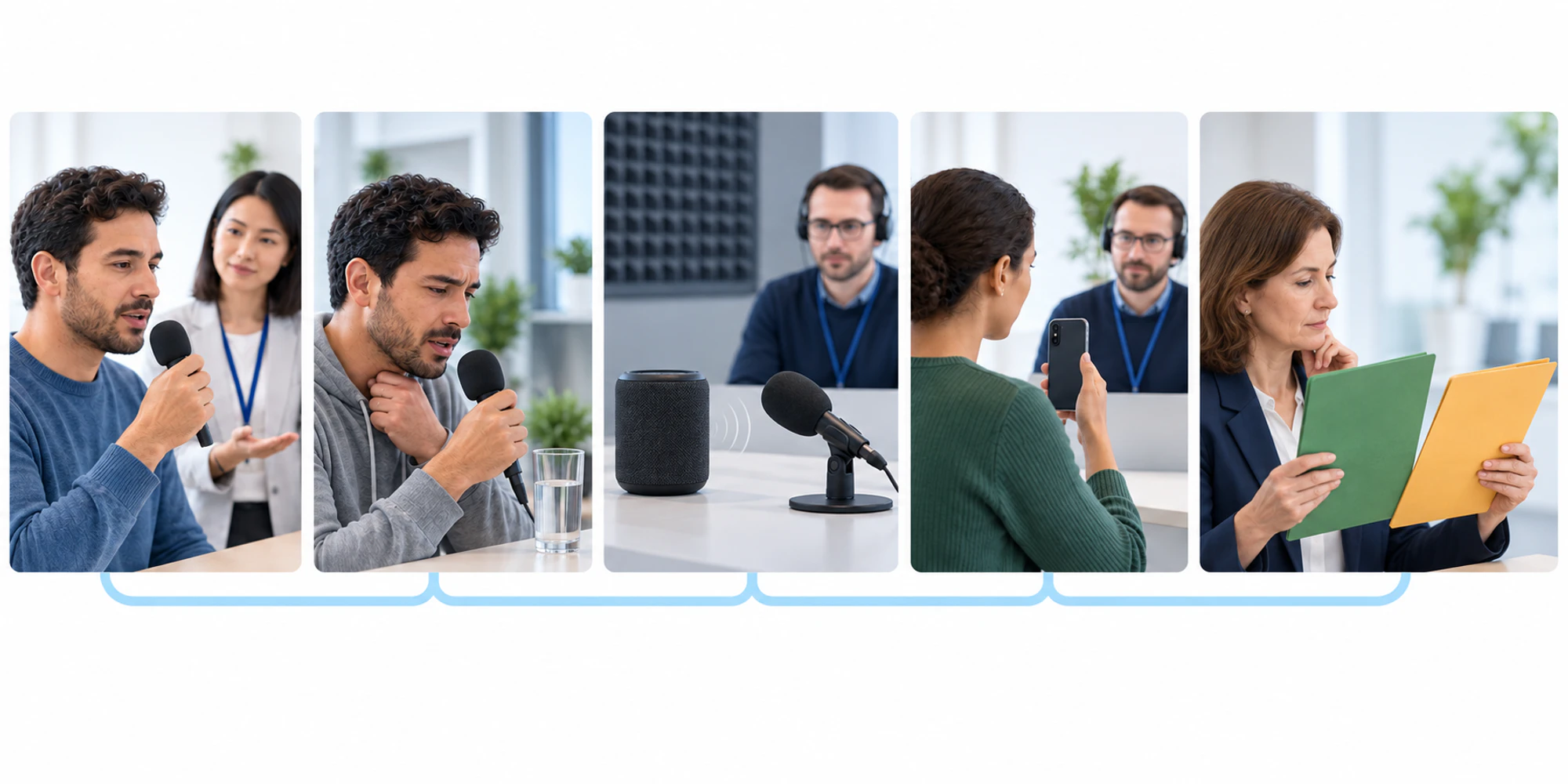
- Bound the decisionName the exact action voice may influence and the actions it must never authorize alone.
- Protect enrollmentDefine permission, retention, access, deletion and revocation before collecting voice evidence.
- Challenge the signalTest changed voices, impostors, replay, synthetic audio and direct injection.
- Prove step upUse an independent factor and rehearse the outage and uncertain-result paths.
- Pilot and stopStart with a small group, separate both errors, name an owner and enforce a stop rule.
| Customer action | Safe role for the voice result | Required next step |
|---|---|---|
| Hear a general service status | Add context to the risk decision | Continue only if the account and call context agree |
| Change contact or delivery details | Flag a familiar or unusual voice | Use a separate verified factor before saving |
| Reset access or reveal sensitive data | Never act as sole proof | Step up to the approved strong method |
| Disputed or uncertain call | Preserve the result as review evidence | Route to a trained person without blaming the caller |
Write the same boundary into scripts for AI voice calls and human agents. If the automated path and the person use different rules, an attacker will look for the weaker route. The customer should also be able to decline enrollment or use an alternative path without losing access to ordinary support.
Build tests from real failures
A useful test set includes the same enrolled person in conditions that will occur after launch. Test a cold or tired voice, background conversation, a poor mobile connection, a new handset, a different microphone distance, and natural changes over time. Include people whose speech, language, disability, or device may expose uneven failure rates. Do not hide their results inside one overall average.
Then test people who should not match. Use live impostor attempts, a replayed recording, synthetic speech, and direct audio injection when the telephony path makes that possible. Learn which attempt reaches the normal service path, which reaches manual review, and which is stopped.
Every scenario needs an expected outcome, an observed outcome, a call identifier, and an accountable reviewer. Keep only the minimum evidence allowed by the retention policy. Voiceprints and recordings are sensitive data, not harmless test files. Access and deletion rules belong in the design before enrollment begins. DripTell's security controls can support workspace access and audit review, but they do not turn a voice recording into identity proof.
Measure unsafe matches and genuine failures separately
One blended success rate can conceal the two failures that matter most. A false acceptance lets the wrong person through. A false rejection blocks or delays the right customer. Track both, then segment them by call condition and relevant user group. Also record how often the flow needs a second factor, reaches manual review, or leaves the customer unable to continue.
Do not reward the system for avoiding difficult cases. If noisy calls are pushed to agents, the biometric metric may improve while customer effort and queue pressure get worse. Read the result beside transfer, repeat contact, complaint, and resolution evidence from the shared inbox. A lower friction score is not a safety result.
Keep an alternative path that actually works
Fallback cannot mean asking the customer the same weak questions that voice matching was supposed to replace. Choose an approved independent factor for each risk level. Train agents on what they may disclose while verification is incomplete. Give them a clear route for inaccessible enrollment, changed voices, suspected coercion, and customers who withdraw consent.
Test recovery with the biometric service unavailable. The customer support workflow should still preserve ownership, explain the delay, and avoid sending the caller around the organisation. Someone must be able to review a disputed enrollment, revoke it, and correct the customer record.
Pilot with evidence and a stop rule
Run the first pilot on a narrow call purpose with named owners from security, privacy, fraud, customer operations, and accessibility. Freeze the threshold during the test. Review failures individually. Expand only when genuine callers can recover, unsafe matches receive a stronger check, and the team can explain what happened from the record.
DripTell's AI operating model keeps approved knowledge, outcomes, customer context, and human handoff visible. That can help operate a controlled call journey. Voice biometric enrollment, matching, consent, and authorization still need their own accountable system and policy. Do not blur those responsibilities.
The best pilot is not the one with the most effortless matches. It is the one that shows exactly when voice helps, when it must be ignored, and how a real customer gets help when the signal is wrong.
Frequently Asked Questions
Can voice biometrics be the only authentication factor
It should not be treated as sole proof for sensitive customer actions. Use it only within an approved risk decision and require an independent stronger factor where the action needs one.
What should a voice biometrics pilot test first
Start with the allowed customer action, genuine callers in realistic audio conditions, replay and synthetic-speech attempts, false accepts, false rejects, and a working fallback route.
Should every customer be enrolled automatically
No. Confirm the lawful basis, notice, consent or other required permission, retention period, deletion route, and accessible alternative before enrollment. Requirements vary by jurisdiction and use case.
What happens when the voice result is uncertain
Do not guess. Preserve the minimum review evidence, move the caller to the approved stronger verification path, keep one owner, and let a trained person resolve any dispute.
Want help applying this guide?Ask the DripTell team
From reading to action
Want help applying this to your business?
Share your details. We will read the article you are on and start with a useful answer for your team.
DripTell Editorial
Practical guidance reviewed by the DripTell product and customer workflow team.
See how DripTell checks product claims, uses primary sources and handles corrections.
Editorial and source policy