




A warranty claim can stay open while a business checks coverage and evidence. “We are looking into it” is not enough, but “your repair is approved” is unsafe before an authorised decision.
A useful update names the verified state, what is missing, who is reviewing it and the next checkpoint—without turning acknowledgement into a promise.
Define what “under review” actually means
Start with the written warranty and claim system. The UAE Government’s consumer protection overview stresses correct information, clear warranty details and available complaint routes. Keep the claim reference, written terms and proof of purchase together so the authorised team can state its responsibility and next timing. Local rules differ; the authorised team decides coverage.
“Under review” should describe an observable stage, not a holding phrase: received, waiting for proof, waiting for technical evidence, or complete and queued for a decision.
Build one claim ready record
Connect the customer, product or vehicle, purchase, issue and claim reference. Record evidence supplied or missing, the reviewer and next checkpoint. Ask only for required material.
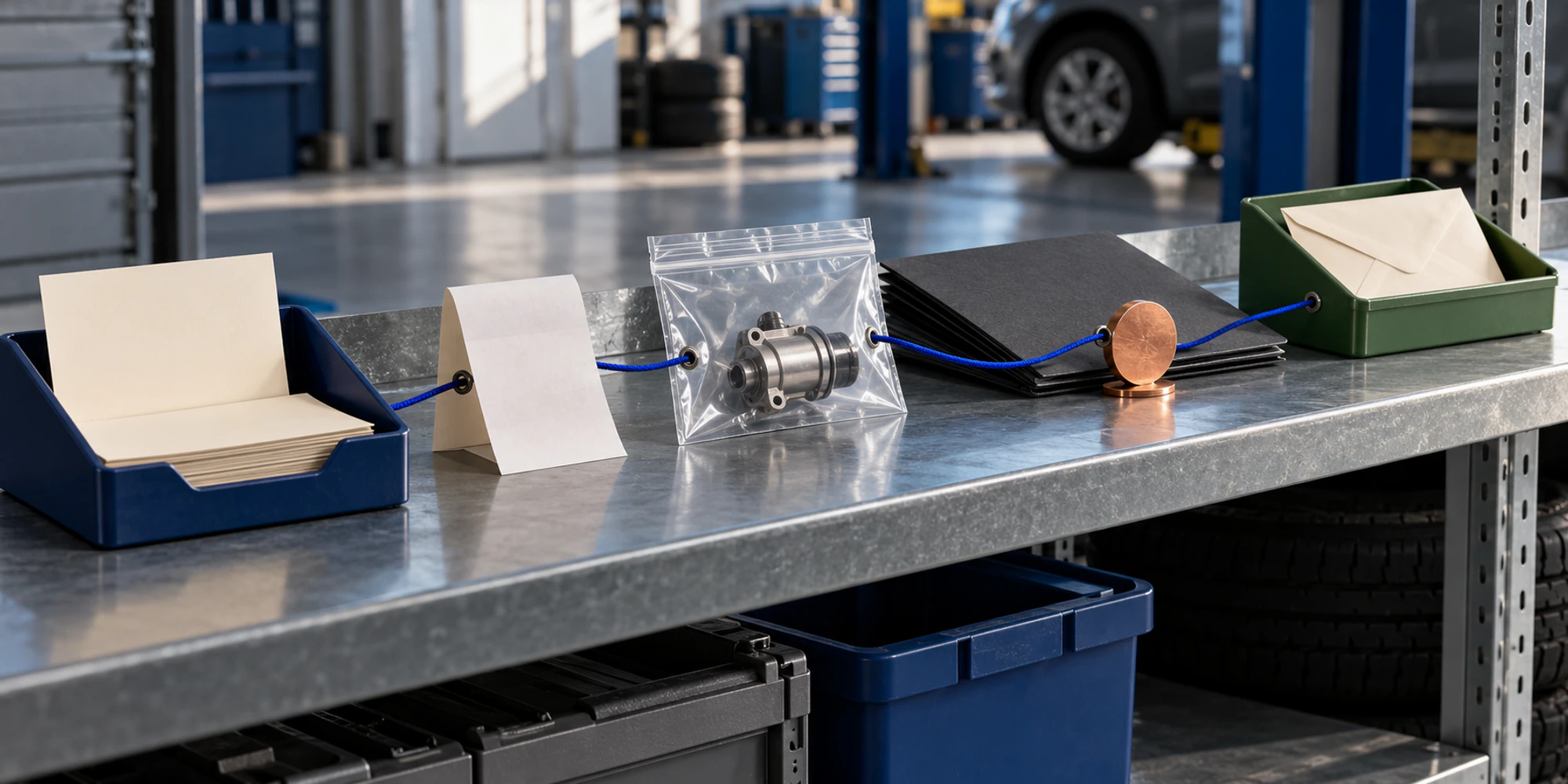
- 1ReceivedThe claim has a reference and issue summary.
- 2Proof checkedPurchase and product identity meet intake requirements.
- 3Evidence completeRequired inspection or service evidence is present.
- 4Under reviewAn authorised team is checking the written terms.
- 5Decision recordedThe outcome, action and escalation path are in the claim record.
For automotive teams, keep chat separate from the service and warranty record. The car repair quote approval guide owns estimate versions and customer approval; it does not prove warranty coverage. A conversation should not become the only copy of a receipt, inspection or decision.
Keep five checkpoints separate
| Checkpoint | What is verified | Safe customer update |
|---|---|---|
| Claim received | The business has a claim reference and issue summary | Confirm receipt and name the first review time |
| Proof checked | Purchase and product identity meet the intake requirement | Confirm the check without implying coverage |
| Evidence complete | Required photos, inspection or service notes are present | Say the claim can move to authorised review |
| Decision pending | A named team is assessing the written terms | Give the next checkpoint, not a guessed outcome |
| Decision recorded | The authorised outcome and remedy are in the claim record | Explain the decision, action and escalation route |
The damaged product reply guide explains relevant evidence after delivery. In a warranty claim, evidence may be complete while coverage is undecided.
Write an update the customer can act on
Use current state, verified evidence, next action and next time:
We received warranty claim WC-104 on Monday. Your purchase record and service inspection are attached, so nothing else is needed today. Our team is comparing the claim with the written coverage. We will update you by Thursday at 3 pm, even if the decision is pending. No remedy is approved yet.
Use a reference only when it is safe to share. Do not repeat serial numbers, addresses or identity documents. If evidence is missing, name the item and why it is required. The guide to updating a customer when an issue is still open replaces vague reassurance with a truthful checkpoint.
Give the next checkpoint one owner
A shared inbox gives visibility, not accountability. Assign one person to the next update and record the due time. Use private notes and assignment in the shared inbox for conversation context while the warranty system remains authoritative.
If the owner changes, use the customer service shift handover process. The incoming person needs the stage, evidence, promise and next action.
Automate reminders, not warranty decisions
Automation can acknowledge receipt, request a documented item, route a complete claim or remind an owner. It should not decide coverage, diagnose a fault or promise a remedy unless that authority is supported and tested.
Measure repeat contacts, duplicate evidence requests, time by stage, missed promises and decisions reopened because the record was incomplete. These signals reveal process problems, not whether a claim should be approved.
The automotive messaging workflow can organise conversations, but warranty terms, inspections and remedies remain with authorised systems and people.
Frequently asked questions
Does “claim received” mean the warranty applies?
No. It means the claim entered the process. Coverage still depends on the written terms, purchase and product evidence, any required inspection and the authorised decision.
What should I say when no decision is available?
State the stage, any customer action, reviewing team and realistic next checkpoint. Say the outcome is pending.
Should customers send receipts or identity documents in chat?
Use the approved secure intake route for sensitive records. In chat, confirm that the required evidence was received and where the authoritative copy is stored. Collect only what the documented claim process needs.
Can an AI agent approve a warranty claim?
Only if the business has defined, tested and authorised that path. Usually AI should organise evidence and draft updates while a qualified person or system records the decision.
What if the review misses its promised checkpoint?
Update the customer before the deadline passes. Explain what remains pending, assign a new owner and give a new specific checkpoint. Do not invent progress or silently let the message expire.
Want help applying this guide?Ask the DripTell team
From reading to action
Want help applying this to your business?
Share your details. We will read the article you are on and start with a useful answer for your team.
DripTell Editorial
Practical guidance reviewed by the DripTell product and customer workflow team.
See how DripTell checks product claims, uses primary sources and handles corrections.
Editorial and source policy